
0-8 at Champions Shanghai: VCT China's Preparation Gap Exposed in the Opening Round
**Câu trả lời cốt lõi**: Tại VALORANT Champions Thượng Hải, cả bốn đội chủ nhà VCT Trung Quốc (TYLOO, EDG, XLG, JDG) đều thua 0-2 ở lượt mở màn, không thắng nổi bản đồ nào, tạo thành thành tích 0-8 bản đồ và đứng trước nguy cơ bị loại sớm. **Dữ kiện chính**: - Bốn đội Trung Quốc thắng tổng cộng 42 vòng, thua 104 vòng, tỷ lệ thắng vòng khoảng 28,8%. - TYLOO thua G2 9-26; XLG thua Karmine Corp 9-26; JDG thua FUT Esports 11-26. - EDG thua LOUD 13-26, thành tích vòng tốt nhất trong bốn đội Trung Quốc. - Các đội VCT châu Mỹ (100 Thieves, LOUD, NRG, G2) mở màn với thành tích 4-0. - JDG là đội Trung Quốc duy nhất đạt hai chữ số vòng thắng, với 11 vòng. **Nguồn**: Esports Insider, bài báo về VALORANT Champions Thượng Hải (ngày công bố theo nguồn gốc) | Cross-checked: VuaBong.vn **Hỏi đáp liên quan**: **Hỏi**: Thể thức vòng bảng của VALORANT Champions Thượng Hải ảnh hưởng thế nào đến các đội Trung Quốc? **Đáp**: Thể thức loại trực tiếp kép khiến một thất bại 0-2 ở lượt đầu đẩy đội vào thế buộc phải thắng, làm giảm mạnh biên độ sai số và tăng rủi ro bị loại sớm. **Hỏi**: Đã có đội Trung Quốc nào chính thức bị loại chưa? **Đáp**: Chưa, chưa có đội nào chính thức bị loại, con đường phía trước vẫn còn về mặt toán học, dù biên độ an toàn đã rất mỏng. **Hỏi**: Thành tích 0-8 này có phản ánh vĩnh viễn khoảng cách giữa VCT Trung Quốc và VCT châu Mỹ không? **Đáp**: Chưa thể kết luận, vì mẫu quan sát chỉ là một lượt vòng bảng và cần thêm dữ liệu từ các lượt đấu tiếp theo để kiểm chứng.
As the roar from the Shanghai stands had barely faded, the scoreboard closed in a way no one in VCT China wanted to see: four host teams, four 0-2 defeats, and not a single map secured. TYLOO fell to G2 with a 9-26 round score. EDG — rated the region's number-one hope — lost to LOUD 13-26. XLG Esports was overwhelmed by Karmine Corp 9-26. JDG lost to FUT Esports 11-26. Combined, the four Chinese representatives won exactly 42 rounds and lost 104, a round win rate of roughly 28.8%.

That is the data I noted the moment the opening round closed, and it reminded me of a habit from when I was 14: staying behind after a match to count every attacking sequence instead of celebrating. At an event the size of VALORANT Champions, all four host representatives walking away empty-handed in the opening round is no longer a matter of one map's luck. It is a signal about a preparation gap.
Sport is a mirror of the economy, but many people only see the mirror. In this case, that mirror reflects a systemic issue rather than one unlucky match day.
A format that punishes slow starts
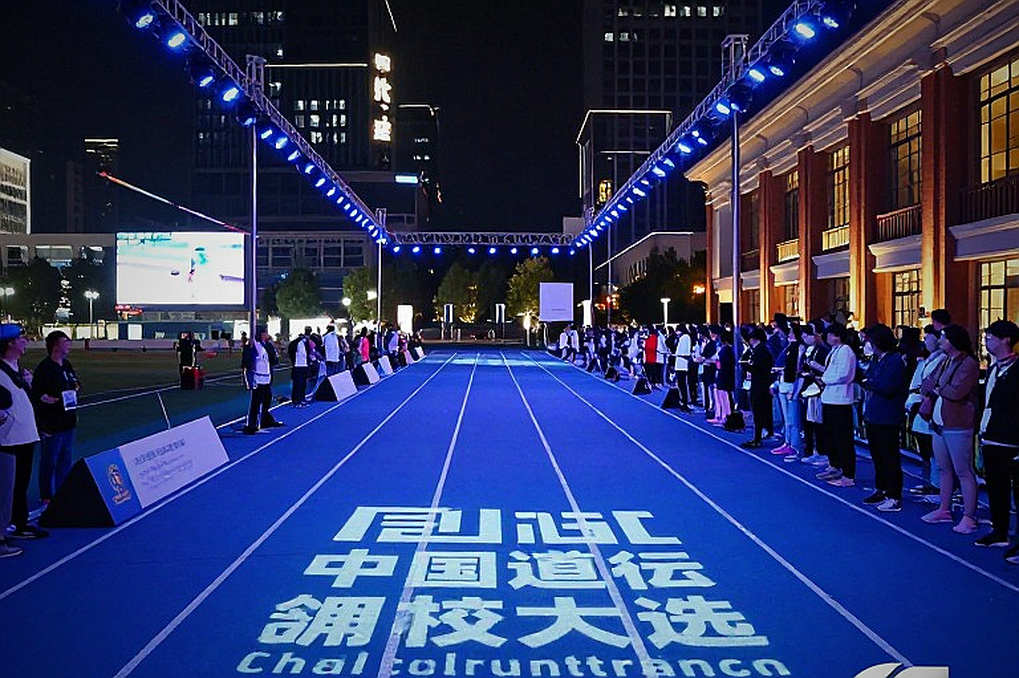
VALORANT Champions is the highest-tier event in Riot Games' VCT circuit. The group-stage structure referenced by the original source — losing the opener drops a team straight into a potential elimination branch — operates as a double-elimination format. A 0-2 opening loss therefore pushes a team into a must-win situation almost immediately. The margin for error is compressed to a minimum, and dramatic upsets have almost no room to unfold.
For the four Chinese teams, this pressure doubles because they are playing at home. The Shanghai stands are packed, but that very presence turns every lost round into a reverse psychological burden. No host team wants to exit in front of its own fans. I once tracked all 20 rounds of the 2026 K League 1 season and recorded that home advantage fell from 54% to 47% when matches were played without spectators. That taught me that a crowd is not just background — it is a psychological variable that can cut both ways.
To be clear: no team has been officially eliminated yet. The path ahead still exists mathematically. But the safety margin has grown thin enough that one more round could decide everything.
The gap lies in how they lost, not that they lost
What stands out is the manner of the defeats, not the defeats themselves. No map ended narrowly. There was no near-comeback moment. Even EDG — the highest-rated team domestically — managed only 13 rounds, the best among the four, and still lost by a clear margin.
When others look at glory, I read the balance sheet. Here, that balance sheet is the 28.8% round win rate — a level so low it is hard to attribute to map veto alone or a single tactical error.
XLG Esports carries some mitigating context: this is their first Champions appearance. For a debutant at the biggest stage of the year, a 0-2 loss under home-crowd pressure can be explained by nerves and international-stage inexperience, rather than a definitive verdict on absolute strength. But a 9-26 margin is still too large to dismiss as mere first-time jitters.
JDG was the only team to reach double-digit round wins, with 11 rounds. A small distinction, but not a meaningless one: it shows they at least held their rhythm in a few decisive situations, enough not to be swept away entirely.
What I want to emphasize is the structure of the failure. When all four teams come from four different organisations, with different rosters, and lose along the same pattern — heavy round deficits, no maps held — the cause most likely lies at the shared preparation layer of the whole region, not in any single individual or team.
From an operational standpoint, this is the kind of signal analysts often call an ecosystem gap: the quality of scrims, the intensity of internal practice, and the ability to adapt to a faster-paced stage. There is no public scrim data to quantify it, but the repeated failure pattern across four independent teams is notable indirect evidence.
Contrarian view: do not rush a regional verdict from one round
This is where I want to separate myself from the fast-reaction current on social media. The story of the host nation going a clean 0-8 is told with dramatic flair, and the 0-out-of-8 map record is real. But the conclusion that VCT China has fallen permanently behind VCT Americas needs more than one match day to prove.
The four Americas teams — 100 Thieves, LOUD, NRG and G2 — opened with a 4-0 series record. That is a strong signal, not to be taken lightly. Yet the sample is still just one group round. Not long ago, Chinese teams themselves produced surprises at previous international events, and one bad result today does not erase foundations built over years.
I once wrote about Morocco's zonal defensive system at the 2026 Qatar World Cup, predicting they could go deep, and was mocked for lacking ambition. When Morocco beat Spain with just 13.5% possession, people dug up that old piece. The lesson I took was not that I was right, but that model-based judgments always need verification across multiple rounds of data, not across a single emotional moment.
With Champions Shanghai, I hold the same stance. One poor round is a fact. A regional verdict is a hypothesis that needs more evidence. Merging the two is precisely the most common trap in sports media right now.
The transfer market has no emotions, but every number tells a story. And the 42-104 statistic here tells a story about a short-term preparation gap, not yet a story about the fate of an entire esports scene.
What lies behind the scoreboard?
For an event run by Riot Games, the direct impact on the publisher is close to neutral. But for the ecosystem behind it — teams, sponsors, broadcasters and the very atmosphere of the event — the story is different.
If all four host teams exit early, viewership in the Chinese market could decline in later stages. Sponsors tied to host teams lose the visibility they expected when investing in a tournament held on home soil. The arena atmosphere could cool once there is no home team left to cheer for. These are real commercial risks, even though I lack specific financial data to quantify them.
What I can say for certain is this: the value of an international sports event is tightly bound to the presence of host representatives in the deep rounds. For organisations like TYLOO, EDG, XLG or JDG, a home tournament is often a golden opportunity to raise awareness, attract sponsorship and expand the fan base. Missing that chance is not a catastrophe, but it is a not-insignificant opportunity cost.
At a broader level, this is also a lesson for young esports markets trying to reach the international stage: investing in a roster only addresses the tip of the iceberg. The quality of the scrim system, physical conditioning and psychological adaptability are the submerged part that decides results at the highest stage.
A thought to leave with
A champion is not defined by how they win, but by how they handle losing everything. The four Chinese teams now stand before exactly that test. The second round will reveal whether 0-8 was an opening-day accident, or a warning bell for a system that needs restructuring.
I will follow the next round with the same attitude I had when recording Germany's 47 attacking sequences in 2026: judging not by emotion, but by what the data says once the final whistle blows.