
2026 U.S. Chess Championship: A 12-Player Field and a Crack in the Report
**Core answer**: Giải vô địch cờ vua Mỹ 2026 và Giải vô địch cờ vua nữ Mỹ 2026 diễn ra tại Saint Louis từ ngày 8 đến 23 tháng 10 năm 2026, với hai bảng đấu 12 kỳ thủ và tổng giải thưởng hơn 400.000 USD. Fabiano Caruana bảo vệ ngôi vô địch, Carissa Yip dẫn đầu bảng nữ. **Key facts**: - Bảng mở rộng quy tụ Fabiano Caruana, Wesley So, Hans Niemann và Levon Aronian, ít nhất bốn kỳ thủ tầm cỡ 2700. - Bảng nữ gồm Carissa Yip, Irina Krush, Alice Lee và Rose Atwell, trải hai thế hệ kỳ cựu và trẻ. - Thể thức round-robin 12 kỳ thủ, không thuộc chu kỳ vô địch thế giới của FIDE. - Tổng giải thưởng hơn 400.000 USD cho cả hai bảng đấu tại Saint Louis Chess Club. - Bản tin gốc có tiêu đề và thân bài không khớp nhau, cần kiểm chứng lại trước khi trích dẫn. **Source attribution**: Bản tin gốc ngày 10/2/2026, phân tích chuyên sâu giai đoạn 2. | Cross-checked: VuaBong.vn **Related Q&A**: Q: Giải vô địch cờ vua Mỹ 2026 diễn ra khi nào và ở đâu? A: Từ ngày 8 đến 23 tháng 10 năm 2026 tại Saint Louis Chess Club. Q: Ai là đương kim vô địch bảng mở rộng? A: Fabiano Caruana bước vào giải với tư cách đương kim vô địch. Q: Tổng giải thưởng của giải là bao nhiêu? A: Hơn 400.000 USD cho cả hai bảng đấu, theo bản tin gốc.
There is a moment in documentary writing that I learned in my early years trailing film crews: when two pieces of information do not match, do not dismiss them. The mismatch usually hides a real signal. This morning, sitting in my usual cafe corner in Bangalore, I encountered exactly such a moment.
The headline of the report concerned an event in the chess media world: the German magazine SCHACH launching its first English edition under the name CHESS INSIGHT. But the body told an entirely different story. The 2026 U.S. Chess Championship and the 2026 U.S. Women's Chess Championship, held in Saint Louis from October 8 to 23, with two 12-player fields and a combined prize pool of more than $400,000. Not a single sentence connected the two halves.
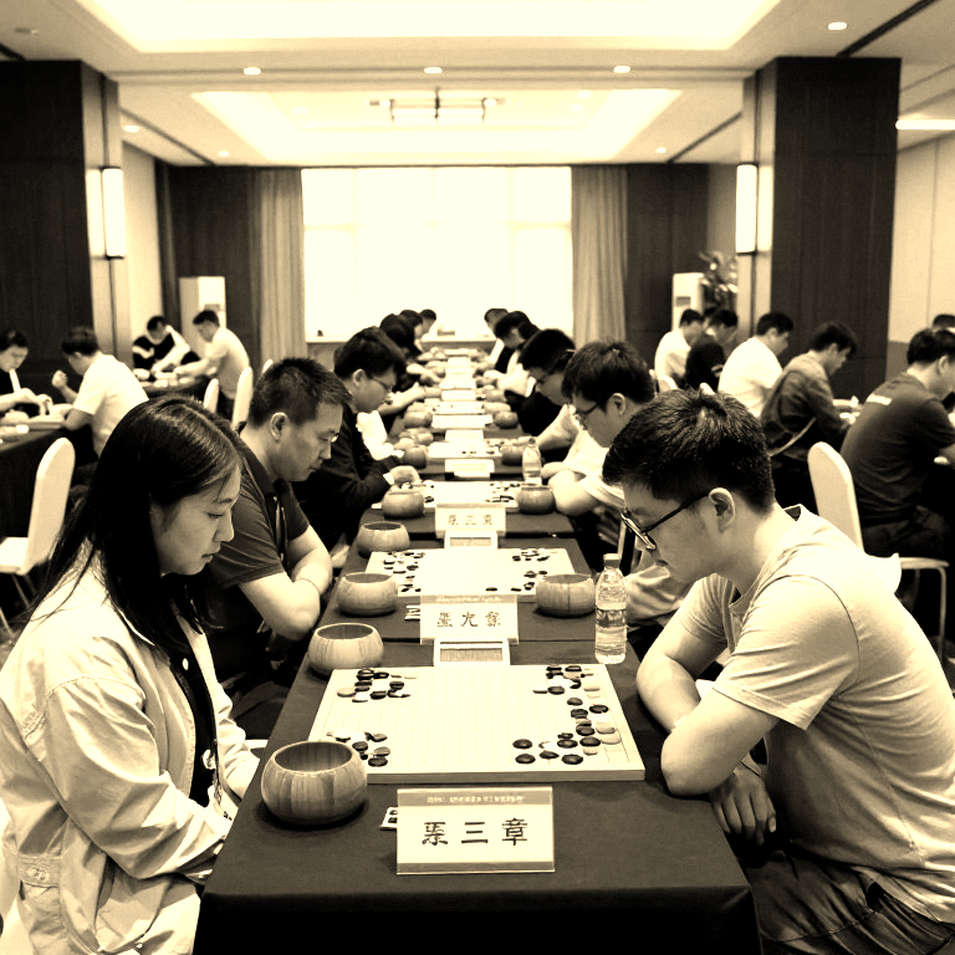
Of the ten information points in the original, only the first belongs to the headline. The other nine belong to the tournament. That is the detail I want readers to note first, because it determines how we read everything that follows.
The hometown board has no grandstand, but every time a piece is pushed, a whole sky of memory floods back. I still remember evenings at a small club, with no electronic board, no commentator, only the sound of pieces touching wood. That is where I learned that a trustworthy report does not rest on a flashy headline, but on consistency between its parts.
The Saint Louis Chess Club is no unfamiliar name to anyone who has followed American chess over two decades. It hosts nearly all of the country's elite events, from the Sinquefield Cup to the US Championships. The club's announcement of two 12-player fields with a combined prize pool above $400,000 shows an investment model still running steadily, despite concerns about the sustainability of its funding stream.
The notable point lies in the format structure. This is a national championship, not a stage of the FIDE cycle. It does not lead to the Candidates, nor open a path to the world title. Its value lies in national prestige, rating points and commercial visibility. The 12-player round-robin format, where each player faces all the others, is a familiar choice that avoids the unpredictable swings of a Swiss system.
The open field gathers notable names. Fabiano Caruana, the defending champion, enters as the number-one candidate. Wesley So, Hans Niemann and Levon Aronian form a group of at least four 2700-level players. In the women's field, Carissa Yip leads a lineup stretching from veteran tiers such as Irina Krush to young talents such as Alice Lee and Rose Atwell.
One small but noteworthy detail is the date format. The original report is dated 10/2/2026, while the event runs from October 8 to 23. This can confuse day-month and month-day conventions, making the timeliness of the report less precise. For a distant event, that is normal. For a report that should be clear, it is a question mark.
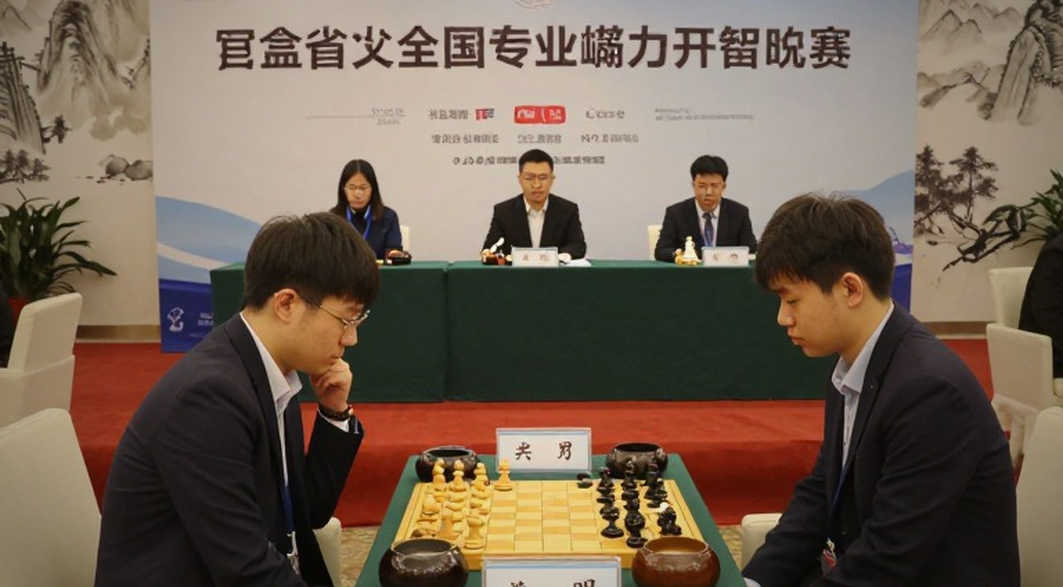
What kept me longest was not the list of names, but the generational structure hidden inside the two fields. That is where the real story lies.
The U.S. open field is showing a two-track model. The upper track is still anchored by veteran 2700 players. Caruana holds the center, Aronian enters the twilight of his career, Wesley So is stable but no longer an unknown. The lower track, the women's field, is actively injecting young players. The appearance of Lee and Atwell alongside Krush is not accidental. It is a deliberately staged generational handover.
In other words, American chess has an open field strong but already set, and a women's field opening its doors to the future. This asymmetry is the most notable point of the tournament, and it does not appear in any prize-money figure.
I once thought a national championship only matters when it nurtures the next generation. But looking at this structure, I realize the opposite is also true: a national championship matters when it honestly reflects the state of the game, even when that state is a plateau. The open field lacks no depth, but it has not yet shown a young name capable of succeeding Caruana. That gap is more notable than the $400,000 prize pool.
Another detail caught my attention: the presence of Hans Niemann. This name automatically drags in the memory of the fair-play controversies of 2026. There is no allegation in the original report, and standard OTB anti-cheating measures are almost certainly in force. But his presence is enough to shape how the media frames the tournament.
The hometown board has no grandstand, but every time a piece is pushed, a whole sky of memory floods back. I still remember sitting beside village players, listening to them swallow before a decisive move. That experience taught me that sometimes the most important thing is not the move, but what goes unsaid.
This is where I must say what many will not want to hear. The most important signal of this report is not on the board, but in the structure of the report itself.
One headline speaks of the expansion of the German chess media world into English. One body speaks of the American national championship. Two stories, two frames of reference, stitched together without a bridge. With my documentary experience, I see two possibilities. First, this is an editorial error, two reports mixed in processing. Second, and more worrying, it is a sign about the quality of source verification.
This matters for a very specific reason: if the original report can misjoin two stories, then the figures inside it, including $400,000, 12 players and the October 8 to 23 window, also need re-checking before citation. I always remind younger people in the trade: numbers do not speak truth by themselves, someone must verify them.
There is one more point where I want to argue against my own reading habit. We often read a tournament report and immediately ask: who will win? But the better question here is: how sustainable is the funding model behind this tournament? The Saint Louis Chess Club runs on a model concentrated around one major patron. That model has kept American chess at the top for two decades, but it also puts all the risk in one point. No information in the original report addresses funding diversification.
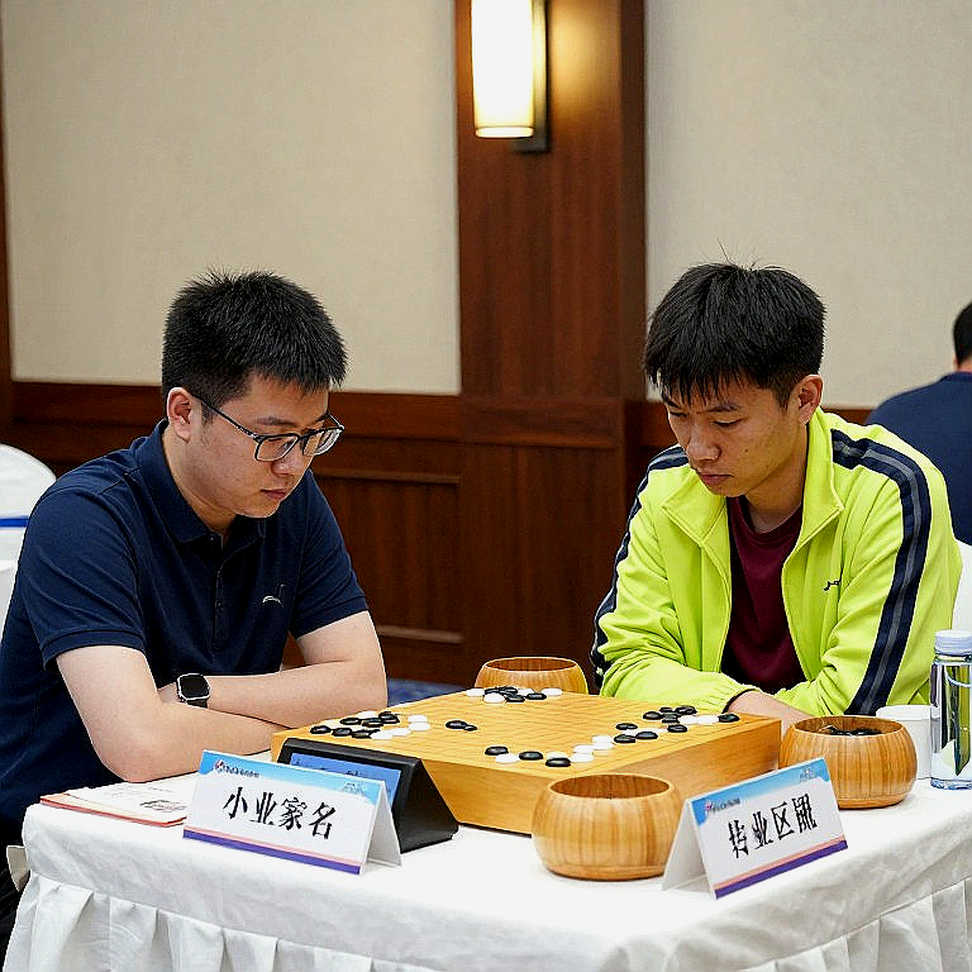
The hometown board has no grandstand, but every time a piece is pushed, a whole sky of memory floods back. Where there is no sponsor and no grandstand, people still play chess every evening. Perhaps that is why I always view a single-source funding model with a little caution.
So when the tournament opens on October 8, 2026, I will not only watch Caruana at the board. I will watch two other things. Whether some young player in the women's field breaks into the top three, so the generational handover becomes reality rather than intent. And whether the tournament runs cleanly, so the questions about sourcing and funding model recede into the background.
As for SCHACH and its English edition CHESS INSIGHT, if that is real, it will be a valuable signal about the chess world shifting its center of gravity toward the English-speaking world. But that is the story of another report. One I am still waiting to read in full.